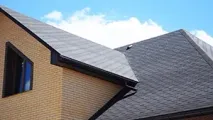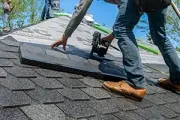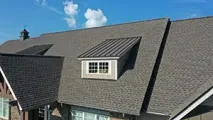



Winter in Missouri brings more than snow and cold. It also brings hidden risks that many homeowners do not realize until damage has already started. One of the most overlooked problems is roof damage in Missouri caused by ice melt products and salt. While these products are meant to improve safety on walkways and driveways, misuse around roofs and gutters can quietly create serious long-term damage.
At One Way Roofing, we inspect roofs across St. Louis County every winter and early spring. We regularly find corrosion, shingle breakdown, and gutter failure that all trace back to ice melt and salt exposure. This guide explains how roof damage in Missouri happens during winter, why salt is more harmful than most people think, and how to protect your roof the right way using safe, proven practices.
Why Ice and Salt Are a Serious Roofing Threat in Missouri
Missouri winters are unpredictable. Snowstorms are often followed by partial thaws, then refreezing. During these cycles, homeowners understandably reach for ice melt to reduce slipping hazards. The problem is where and how those products are used.
When ice melt or salt is thrown onto roofs, near gutter lines, or onto upper walkways where runoff reaches the roof edge, it accelerates roof damage in Missouri. Salt does not just melt ice. It attracts moisture, breaks down protective coatings, and speeds up corrosion on metal components.
Because these effects happen slowly, many homeowners do not connect winter habits with spring roof problems.
How Salt Causes Roof Damage
Salt is corrosive by nature. When combined with moisture, it becomes even more aggressive. On a roof, this creates several problems that directly contribute to roof damage in Missouri.
Shingle Breakdown
Salt residue can strip the protective granules from asphalt shingles. Once those granules are gone, UV exposure increases and shingle lifespan drops sharply.
Gutter and Flashing Corrosion
Metal gutters, downspouts, and flashing are especially vulnerable. Salt accelerates rust, weakens seams, and causes premature failure.
Fascia and Soffit Damage
When salt-laced water runs behind gutters, it soaks into wood fascia boards. Over time, this leads to rot, peeling paint, and structural weakness.
Hidden Moisture Problems
Salt attracts moisture even in cold weather. That moisture can work its way under shingles and into roof decking, contributing to roof damage in Missouri that remains hidden until leaks appear.
Missouri Weather Makes the Problem Worse
Missouri’s climate amplifies the damage caused by salt and ice melt. According to NOAA, the region experiences frequent freeze-thaw cycles throughout winter. These cycles cause snow to melt during the day and refreeze at night.
When salt is present, it lowers the freezing point of water, keeping surfaces wet longer. That extended moisture exposure increases the chance of roof damage in Missouri, especially along eaves and gutter lines where water already lingers.
Compared to sudden monsoons in Ohio or hailstorms in Huron, Missouri’s winter damage is quieter but just as destructive.
Common Mistakes Homeowners Make
Through years of inspections, our licensed roofers at One Way Roofing see the same mistakes repeated every winter. These habits often lead directly to roof damage in Missouri.
- Tossing ice melt onto roof edges to break ice
- Applying salt near upper walkways that drain onto the roof
- Letting salt accumulate inside gutters
- Using products not designed for roofing materials
- Ignoring salt residue after winter ends
These actions may seem harmless at the moment but can cost thousands in repairs later.
Local Scenario: St. Peters Gutter Failure
Last spring, a homeowner in St. Peters called us after noticing sections of gutter pulling away from the house. During inspection, we found advanced corrosion along the entire gutter run. The shingles above showed granule loss and early edge deterioration.
The cause was consistent use of rock salt on an upper deck. Meltwater carried salt directly into the gutter system all winter. This is a textbook example of roof damage in Missouri caused by misuse, not storms.
We replaced the damaged gutters, repaired the roof edge, and advised safer winter practices moving forward.
Ice Dams and Salt: A Dangerous Combination
Ice dams already create stress on roofs. Adding salt makes the situation worse. When homeowners try to melt ice dams using salt-filled socks or loose granules, they often increase roof damage in Missouri instead of fixing the problem.
Salt may melt a channel through ice, but it also soaks into shingles and underlayment. Once spring arrives, that salt residue continues to attract moisture and accelerate breakdown.
Proper ice dam prevention focuses on insulation, ventilation, and safe removal methods, not chemical melting agents.
Signs of Salt-Related Roof Damage
If you are unsure whether winter practices have affected your roof, watch for these warning signs of roof damage in Missouri.
- Rust stains along gutter seams
- Peeling paint on fascia boards
- Shingle edges that look brittle or crumbly
- Granules collecting in gutters
- White or chalky residue near roof edges
These signs often appear months after winter ends, which is why proactive inspections are so important.
Safe Alternatives to Protect Your Roof
Preventing roof damage in Missouri does not mean ignoring ice safety. It means choosing roof-safe strategies.
Use Ice Melt Only at Ground Level
Keep ice melt products confined to sidewalks and driveways. Never apply them on roofs or near gutter discharge areas.
Improve Attic Insulation and Ventilation
A properly balanced attic reduces snow melt at the roof edge, lowering ice dam risk without chemicals.
Clear Snow Safely
Use a roof rake from the ground to remove heavy snow. Avoid scraping shingles or forcing ice off.
Flush Gutters in Spring
Once winter ends, flush gutters with clean water to remove salt residue and debris.
For existing issues, professional Roof Repair can address damage before it spreads.
Licensed Roofer Insight: What We See After Winter
From a professional standpoint, salt damage is one of the most underestimated causes of roof damage in Missouri. Homeowners often assume deterioration is just age-related.
In reality, we can often trace corrosion patterns directly to salt exposure. The damage is usually concentrated along eaves, valleys, and gutter lines rather than evenly across the roof.
This pattern tells a clear story once you know what to look for.
Why Spring Inspections Matter
Salt-related roof damage in Missouri rarely causes immediate leaks. It weakens materials over time. By spring, heavy rain finds those weakened areas.
Scheduling a professional inspection after winter allows problems to be repaired early. Waiting until leaks appear often means more extensive repairs. Our guidance focuses on safety and prevention. We address damage from misuse of ice melt products and do not discuss coverage or financial recovery. Proper care and maintenance are the best defense against roof damage in Missouri. To see seasonal tips and local projects, Visit our Facebook page.
Practical Winter Roof Care Checklist
To reduce roof damage in Missouri, homeowners should:
- Avoid applying salt near roof edges
- Monitor gutters for buildup during winter
- Remove heavy snow safely
- Schedule a post-winter inspection
- Address small repairs early
These steps protect both roofing materials and structural components.
Protect Your Roof With Smarter Winter Care
Ice and salt may solve short-term safety problems, but misuse can quietly shorten your roof’s lifespan. Understanding how roof damage in Missouri happens allows homeowners to make smarter choices all winter long.
At One Way Roofing, we help homeowners protect their roofs with education, inspections, and professional repairs when needed.
Learn safe winter roof care tips from local experts.
Frequently Asked Questions
Is ice melt always bad for roofs?
Ice melt is not harmful when used properly. Problems arise when it contacts roofing materials or gutter systems.
Can salt damage newer roofs?
Yes. Newer roofs are still vulnerable to roof damage in Missouri if salt is misused.
What should I do if salt reaches my gutters?
Flush gutters with clean water and schedule an inspection to check for corrosion.
Are there roof-safe ice dam solutions?
Yes. Proper insulation, ventilation, and professional snow removal are safer options.
How often should my roof be inspected after winter?
Once every spring is ideal, especially if ice melt products were used nearby.